Do you love someone, then suddenly need space? Do you go quiet when things get deep? That could be an avoidant attachment style. It’s common, and no, you’re not broken. It makes sense once you know where it comes from. And yes, it can change. This guide breaks it all down in plain English.
What Is an Avoidant Attachment Style?
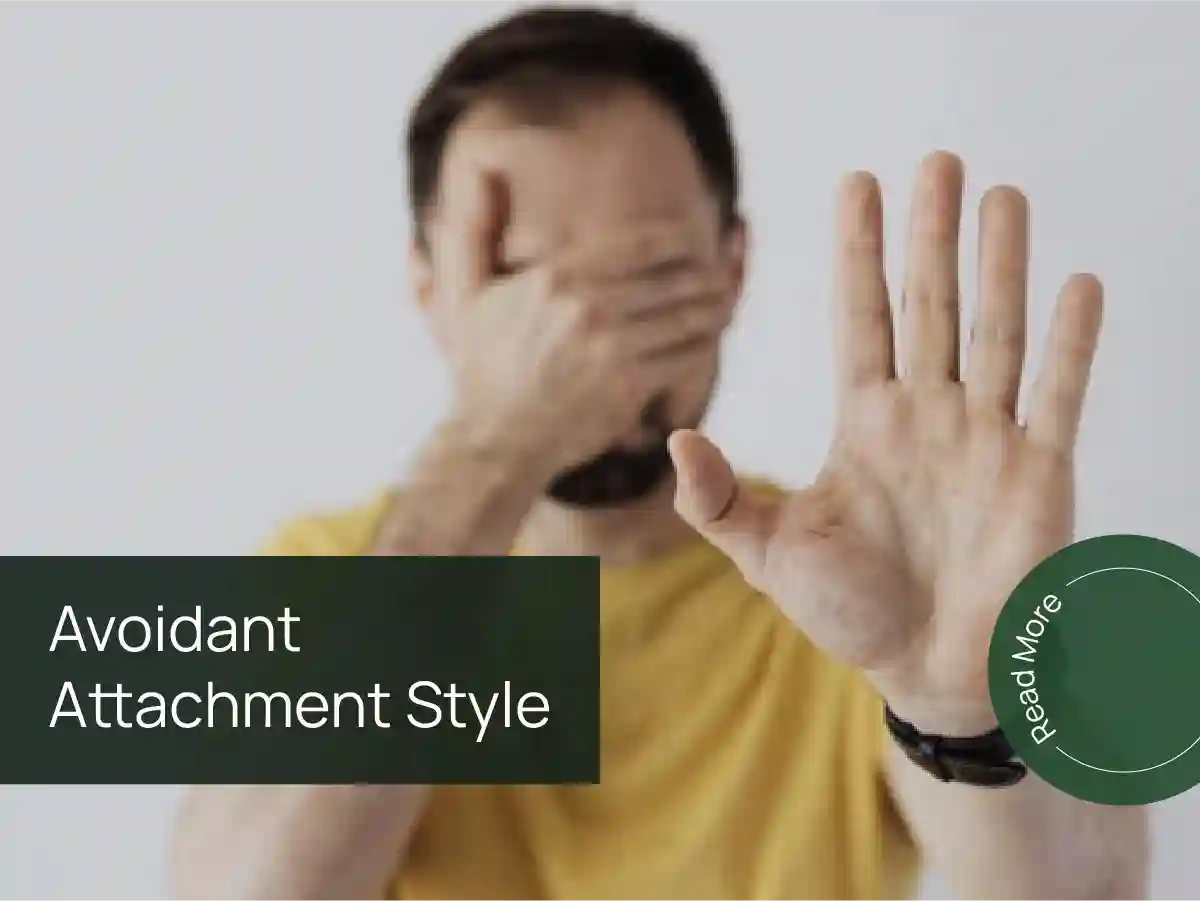
So, what is avoidant attachment? It’s a way of bonding where you feel safest handling things alone. Closeness feels risky. Needing someone feels weak. Emotional distance becomes a form of protection.
Psychologist John Bowlby started attachment theory. Mary Ainsworth later tested it in the Strange Situation study. She watched how toddlers reacted when a parent left the room. Some barely reacted. They looked fine but were stressed inside.
Adults with this style aren’t cold. They learned early that showing needs didn’t work. So they stopped showing them. Self-reliance became the plan.
The Four Attachment Styles at a Glance
Attachment styles are patterns, not labels for life. Here’s the quick version of the main attachment styles.
| Style | Core thought | How it shows up |
| Secure | “I can trust people.” | Comfortable with closeness and space |
| Anxious | “Please don’t leave.” | Needs lots of reassurance |
| Dismissive-avoidant | “I’m better alone.” | Hides feelings, pulls away |
| Fearful-avoidant | “I want love, but it’s scary.” | Push and pull |
Dismissive-Avoidant vs Fearful-Avoidant
Both types dodge closeness. The reasons differ.
Dismissive-avoidant people play it cool. They value independence and downplay feelings. “I’m fine” often means “please don’t ask.” They still want connection. They just don’t trust it.
Fearful-avoidant people want closeness and fear it at the same time. This is also called disorganised attachment. One week they text nonstop. The next week they vanish. Many are people pleasers who say yes to keep the peace while quietly panicking.
Signs of Avoidant Attachment in Adults
Emotional Signs
- You feel uneasy when someone says “I need you.”
- You shrug off feelings, yours and theirs.
- You shut down when emotions get big.
- You say “I’m good” when you really aren’t.
- Anger is the only feeling you show. The anger iceberg explains it: anger sits on top, while hurt and fear hide below.
Behavioural Signs in Relationships
- You keep people at arm’s length.
- You dodge labels, plans and “the talk.”
- You spot flaws once things get serious.
- You pull away after a great weekend.
- You get the ick fast, right when someone gets close.
How Avoidants Act When Triggered
A trigger is any moment where closeness feels like pressure. Think “where is this going?”, a partner crying, or a move-in talk.
Deactivating Strategies
Deactivating strategies are habits that turn your feelings down. They look like:
- Going quiet or leaving the room
- Working late or scrolling for hours
- Picking fights over tiny things
- Focusing on your partner’s flaws
- Daydreaming about an ex
It feels like control. It’s really a smoke alarm going off with no fire.
Why Withdrawal Is Not Indifference
Pulling away doesn’t mean not caring. Avoidants often care a lot. Their body reads closeness as danger, and distance feels safe. Still, it hurts partners, and that matters too.
What Avoidant Attachment Is Often Mistaken For
People slap labels on avoidants fast. Here’s what it usually isn’t:
- Narcissism. A vulnerable narcissist craves praise and feels hurt easily. An avoidant mostly wants space.
- Being a sociopath. Searches like “what is a sociopath” or “signs of a psychopath” are about missing empathy. Avoidants feel empathy. They just freeze.
- Love bombing. Some avoidants come on strong, then bail. It looks like love bombing signs, but it’s often fear, not a plan.
None of this is a diagnosis. Only a licensed professional can tell you that.
What Causes an Avoidant Attachment Style?
It usually starts in childhood. Common causes include:
- Caregivers who were cold, busy or dismissive
- Being told to “toughen up” or stop crying
- Getting praise only for achievements
- Early loss, trauma or constant moves
Military life plays a part for some families. Frequent moves and long deployments can teach kids to not need anyone. A child who learns “nobody is coming, so I’ve got this” becomes an adult who says the same thing. That skill helps at nine. It gets in the way at thirty.
Avoidant Attachment in Relationships
The Anxious-Avoidant Trap
This is the classic mismatch. An anxious attachment partner chases closeness. An avoidant partner pulls away. The more one chases, the more the other runs. Then the running proves the chaser’s fear. Round and round. Both people feel unseen. Learn more about the anxious attachment style to see the other side.
The highs and lows can feel like passion. They can also slide into trauma bonding.
Avoidant Attachment and Deployment
Many couples in Hampton Roads deal with deployment. Distance can feel like relief for an avoidant partner. Then homecoming hits. Sharing space and feelings again feels like pressure. The partner at home feels shut out. Talking about it early helps both sides.
The Strengths of an Avoidant Attachment Style
It’s not all bad. Avoidants often bring:
- Calm in a crisis
- Independence
- Strong focus
- Respect for other people’s space
- Loyalty once they trust you
The goal isn’t to lose these. It’s to add closeness on top.
Can an Avoidant Attachment Style Change?
Yes. Attachment isn’t fixed. Change is slow, but it’s real.
What Earned Secure Attachment Looks Like
Earned secure attachment means you grew into secure habits as an adult, even if childhood wasn’t secure. It looks like:
- Saying what you need
- Staying in the room when talks get heavy
- Being okay with a partner’s big feelings
- Trusting people without losing yourself
What You Can Practise on Your Own
- Notice the urge to pull away. Name it: “There’s my alarm.”
- Stay five minutes longer in a hard talk.
- Share one real feeling with one person each day.
- Ask for space with a return time: “I need an hour, then let’s talk.”
- Text a friend back, even when you’d rather ghost.
How Therapy Helps
Therapy is a safe place to practise closeness at your own pace. Emotionally focused therapy, or EFT, helps couples see the pattern instead of blaming each other. Individual work helps you understand your history and build new habits. You don’t have to open up all at once. Your therapist follows your lead. Over time, closeness feels less like a threat.
Therapy Options at Sequoia
At Sequoia Psychotherapy in Virginia Beach, you can start with individual therapy or couples therapy. Not sure where to begin? Check the signs. It may be time to talk to someone. Worried about price? See therapy costs and insurance in Virginia.
Frequently Asked Questions
What are the signs of avoidant attachment?
Common signs are pulling away when things get close, hiding feelings, and valuing independence over intimacy. You may also feel smothered when someone needs you.
What is an avoidant attached person like?
They’re often calm, independent and hard to read. They may seem distant, but many care deeply. They just struggle to show it, so it can look like they don’t.
How do avoidants act when triggered?
They go quiet, get busy, pick fights or focus on flaws. This is a deactivating strategy. It’s about feeling safe, not about not caring.
What does an avoidant look like in a relationship?
Hot and cold. They enjoy connection, then need space. They avoid labels, deep talks and heavy emotions.
Can an avoidant fall in love?
Yes. They feel love as much as anyone. Closeness just feels scary. With awareness, a patient partner and often some therapy, love gets easier.
What attachment style am I?
Notice how you act when someone gets close or pulls away. Online quizzes can hint at it, not prove it. A therapist can help you confirm it.