If you’ve ever snapped at someone and felt confused about why, the anger iceberg might explain it. This model shows that anger is rarely the whole story. It’s usually the visible tip of something bigger sitting underneath, like fear, hurt, or shame. Once you see what’s under the surface, anger stops feeling so random.
What Is the Anger Iceberg?
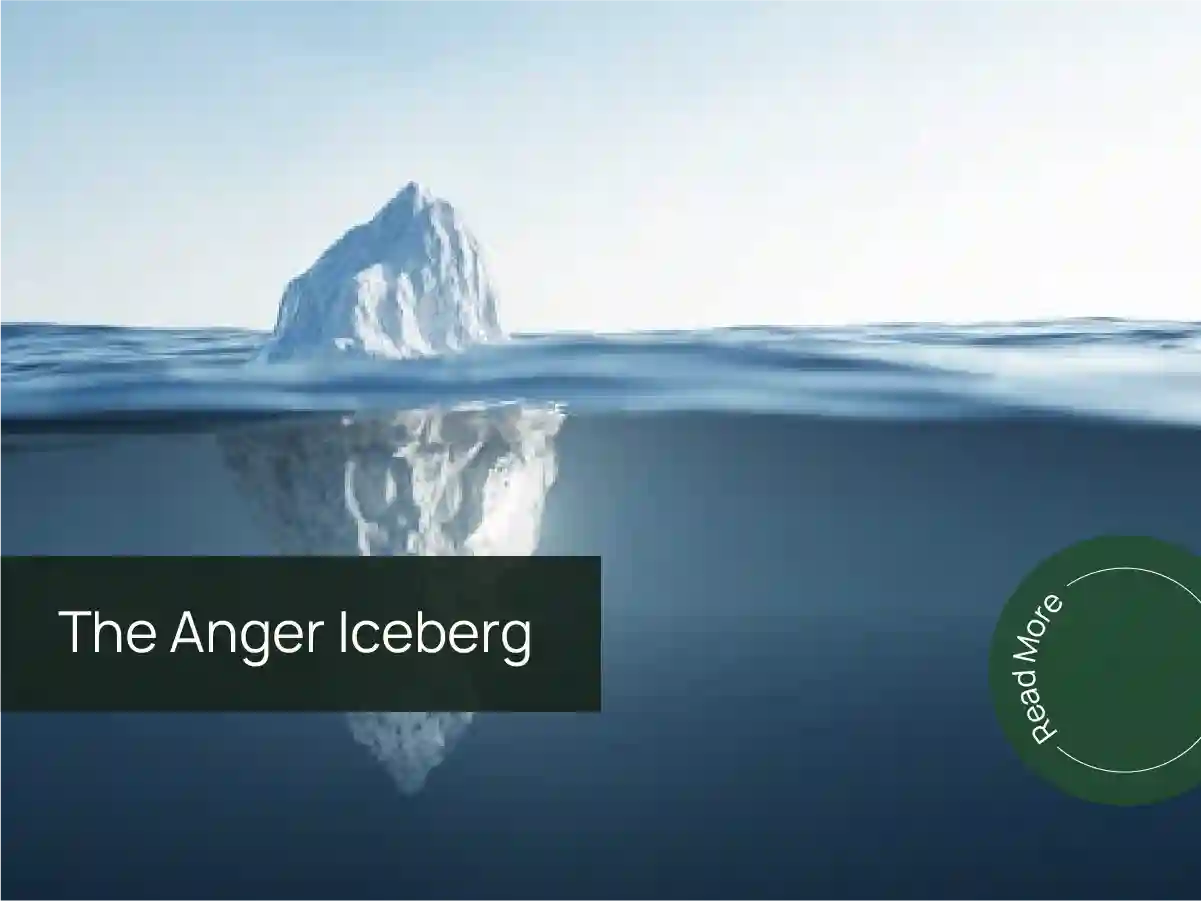
Picture an iceberg. The part above the water is small. Everything else, the mass that actually sinks ships, sits hidden below. Anger works the same way. What people see is the outburst, the raised voice, the slammed door. What they don’t see are the feelings driving it.
Where the Idea Comes From
The metaphor comes from the Gottman Institute, a research group known for its work on couples and family dynamics. Their original piece on the anger iceberg describes anger as a secondary emotion, one that often shows up to protect something more vulnerable underneath. That idea has since spread into therapy rooms, classrooms, and parenting books everywhere.
Primary and Secondary Emotions at a Glance
Psychologists often split feelings into two categories. Primary emotions are the first, instinctive reactions to something happening. Secondary emotions come after, layered on top, often as a reaction to the primary one.
| Type | Examples | Role |
| Primary emotion | Fear, hurt, shame, grief | The initial, often quieter reaction |
| Secondary emotion | Anger, irritability | A protective response that covers the primary feeling |
Anger almost always falls into the second column. It shows up fast and loud, but it’s rarely acting alone.
What Sits Under Anger
Fear
Fear is common under anger, especially when something feels threatening or out of control. A parent who yells, “Why weren’t you answering your phone?” is usually scared, not just annoyed.
Hurt
Hurt often hides behind anger in close relationships. Being dismissed or overlooked by someone you love stings. Anger can feel safer to express than admitting you were hurt.
Shame
Shame is a heavy one. It tells us something is wrong with who we are, not just what we did. Anger can act as a shield against that feeling, since lashing out feels more bearable than sitting with shame.
Grief
Grief shows up under anger more than people expect, especially during loss or big life changes. If you’re dealing with a loss that hasn’t happened yet, our post on anticipatory grief walks through what that looks like and how to cope with it.
Overwhelm and Exhaustion
Sometimes there’s no deep wound underneath, just a nervous system that’s run dry. Chronic stress and burnout can lower your patience to almost nothing, making small things feel unbearable.
Why Anger Surfaces First
What the Nervous System Is Doing
Anger is a fast emotion. It activates the body’s fight-or-flight response, sending energy to your muscles and narrowing your focus. Fear and sadness tend to move slower, which is partly why anger gets there first.
When Anger Feels Safer Than Sadness
For a lot of people, anger feels more acceptable than sadness or fear. It can look like strength instead of vulnerability. Over time, this pattern becomes automatic, and the softer feeling underneath rarely gets named at all.
How to Use the Anger Iceberg on Yourself
Catching It Early
Notice your early warning signs. A tight jaw, a racing heart, or a clipped tone usually shows up before the real blowup. Catching these cues gives you a chance to pause before reacting. Our guide to grounding techniques for the moment has some simple ways to slow that response down.
Naming the Feeling Underneath
Once you notice the anger, ask yourself a simple question. What else am I feeling right now? Naming the emotion underneath, even quietly to yourself, takes some of its power away.
An Emotion Vocabulary to Borrow
Sometimes the hardest part is finding the right word. Try borrowing from this short list:
- Disappointed
- Rejected
- Embarrassed
- Overwhelmed
- Powerless
- Anxious
Having language ready makes it easier to name what’s happening in the moment, instead of defaulting to anger.
Using It With a Partner or Child
The anger iceberg is useful outside your own head too. When a partner or child gets angry, try asking what’s underneath instead of reacting to the volume. This shifts the conversation from conflict to curiosity.
Watch out for triangulation as well, where a third person gets pulled into the disagreement instead of the two people involved working it out directly. If this pattern keeps showing up in your relationship, couples therapy can help you build a better way through it.
Anger, Deployment and Reintegration
Military families know a version of this cycle well. Deployment and reintegration bring stress, distance, and sometimes symptoms of PTSD, all of which can surface as irritability at home. A returning service member’s short temper is often fear, grief, or exhaustion wearing an angry face. Recognizing that pattern early can ease a lot of tension during reintegration.
Related Frameworks: The Four C’s and the Anger Funnel
The anger iceberg isn’t the only model out there. The Four C’s approach looks at anger through the lens of control, choice, calm, and communication. The anger funnel is a similar idea, showing how a wide range of feelings narrow down into the single expression of anger. Both frameworks point to the same conclusion as the iceberg. Anger is rarely the full picture.
When Anger Needs More Than a Worksheet
Worksheets and self-reflection help, but they have limits. If anger is affecting your relationships, your job, or your safety, that’s a sign to get more support. If you or someone you know is in crisis, the 988 Suicide and Crisis Lifeline is available anytime.
How Therapy Helps
A therapist can help you slow down and figure out what’s actually going on under the anger. This might mean working through old patterns, building emotional regulation skills, or addressing burnout symptoms that have been building for months. Therapy also gives you a safe place to practice naming feelings you’ve avoided for a long time.
Therapy Options at Sequoia
At Sequoia Psychotherapy, we offer support for anger that shows up in different corners of life. Individual therapy works well for anger tied to personal history or ongoing stress. Family therapy can help when anger is affecting the whole household. If overthinking tends to follow your anger around, our post on how to stop overthinking might help too. Not sure what therapy actually looks like day to day? Our page on what to expect in your first therapy session walks through it.
Frequently Asked Questions
What is the anger iceberg theory?
It’s a model showing that anger usually sits on top of other feelings, like fear, hurt, or shame, rather than standing alone.
How do you use the anger iceberg in therapy?
Therapists often use it to help clients slow down after an angry reaction and identify what feeling came before the anger.
What are the four C’s of anger?
Control, choice, calm, and communication. It’s a related framework that looks at managing anger through those four areas.
What is the anger funnel?
A visual model showing how many different emotions can narrow down into anger as the final, visible expression.
Is anger a secondary emotion?
Yes, in most cases. Anger typically follows a primary emotion like fear or hurt, acting as a protective response.
When does anger become a problem?
When it starts affecting your relationships, work, or physical safety, or when it’s happening more often than feels manageable, it’s worth talking to a professional.